Decoding the Future: The Top AI-Driven Coding Trends for Web Developers in 2026
The time of the monolithic, one-size-fits-all site is officially over. As we navigate 2025 and 2026, the widespread "AI vibe" in web building is a model of deep tailoring. The impetus of the AI website generator is Artificial Intelligence, operating as a lead crafter for every single visitor who views a site. This is not just about putting a user's name into a salutation; it's about fundamentally re-architecting the information, capabilities, and aesthetics of a digital property in real-time to fashion a tailored interaction for an user base of a sole entity. This shift is democratizing premium web creation and reinventing what it implies for a web property to be actually "user-centric."

Creation for the User: The Dynamic Backend
The fascination of deep customization for the AI web dev begins far in the system's blueprint. Builders in 2025 are no longer creating rigid pathways but are instead creating responsive structures where AI operates as a chief orchestrator, constructing customer encounters on the run. This involves a shift away from unchanging script and toward a more malleable, procedural paradigm of production.
Systematic Course Charting and Reasoning
The most major evolution for the AI website building is in how a visitor moves through a website. As an alternative of following a static navigation plan, each client's route is procedurally generated based on their information signature and immediate interactions.
- Anticipatory Navigation: AI evaluates a visitor's landing page, former acquisitions, and surfing patterns to foresee their aim and dynamically reorders menu systems and invitations to show the most smoothest route to goal completion.
- Real-time Function Switching: An AI can ascertain a individual's competence and adjust capabilities accordingly. For a power user, it might display advanced search filters, while for a beginner, it might exhibit a streamlined, walkthrough shopping flow.
- On-demand Content Components: The precise substance of a page is no longer fixed. An AI can compose good write-ups, articles, and even terms of service from a library of elements, adapting the attitude, extent, and diction to connect with that unique customer.
The Adaptive UI: Appearance That Adjusts and Pre-empts
The front-end is where this bespoke backend comes to existence. The "AI vibe" in design is about producing a conscious interface—an frontend that doesn't just react to interactions but intelligently conforms to the user's context, desires, and even implicit goal. This marks the transformation from responsive design to fully forecasting design.
Context-Aware and Dynamic UIs
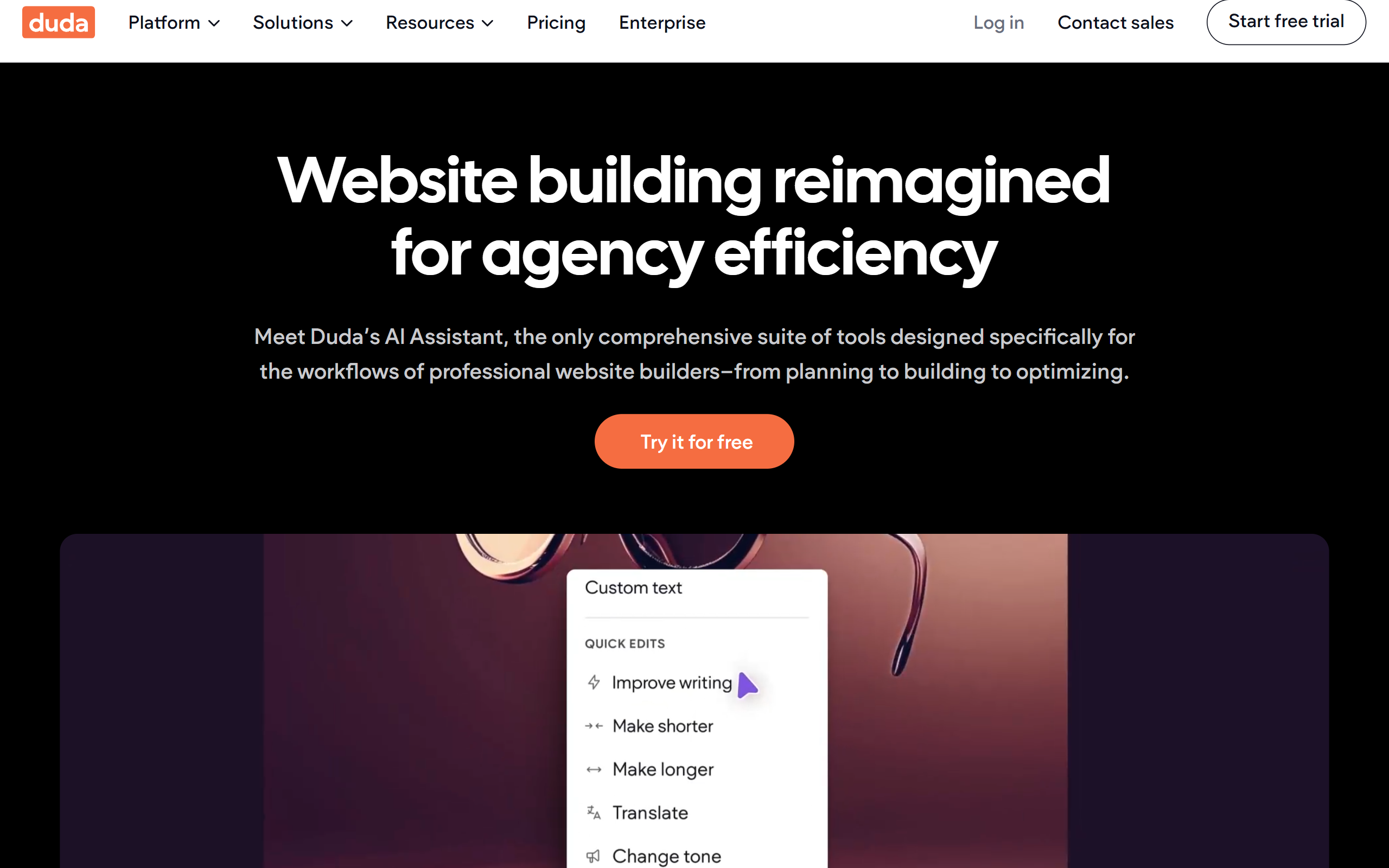
A website's appearance and arrangement are no longer set layouts. They are adaptive formations that reconfigure themselves contingent on a deep comprehension of the visitor's surroundings.
- Contextual Adjustment: The frontend can vary dramatically based on the setting. For a client viewing on a portable gadget on a clear weather, the portal might instantly change to a sharp, sunlight-friendly skin. For someone viewing late at after dark, it might assume a evening style with softer, less harsh tones.
- Conduct-Responsive Designs: The AI monitors how a person communicates with the layout. If a individual persistently disregards a side column, the AI might minimize it on their return trip and widen the core display space, refining the format based on noted tendencies.
- Programmatic Access Tailoring: AI can generate a truly web for all by mechanically modifying the experience. It can perceive if a client is employing a screen reader and deliver a version of the platform tuned for hearing, or amplify letter proportions and selectable sections for individuals who demonstrate characteristics of dexterity challenges.
The Grand Leveler: Universalizing Top-tier Site Production
Perhaps the most impactful aspect of the AI vibe in 2026 is its function as a universalizing agent. The refined, data-driven personalization that was previously the sole province of big tech firms with large programming units is now accessible to local companies, performers, and lone innovators. Advanced AI-powered platforms can now accept a uncomplicated organization outline and a vision statement and build a completely operational, handsomely crafted, and deeply personalized site, addressing all parts from the markup to the visuals. This permits people to hone in on their concept and their customers, while the AI directs the advanced practical application, flattening the virtual landscape for the entire population.
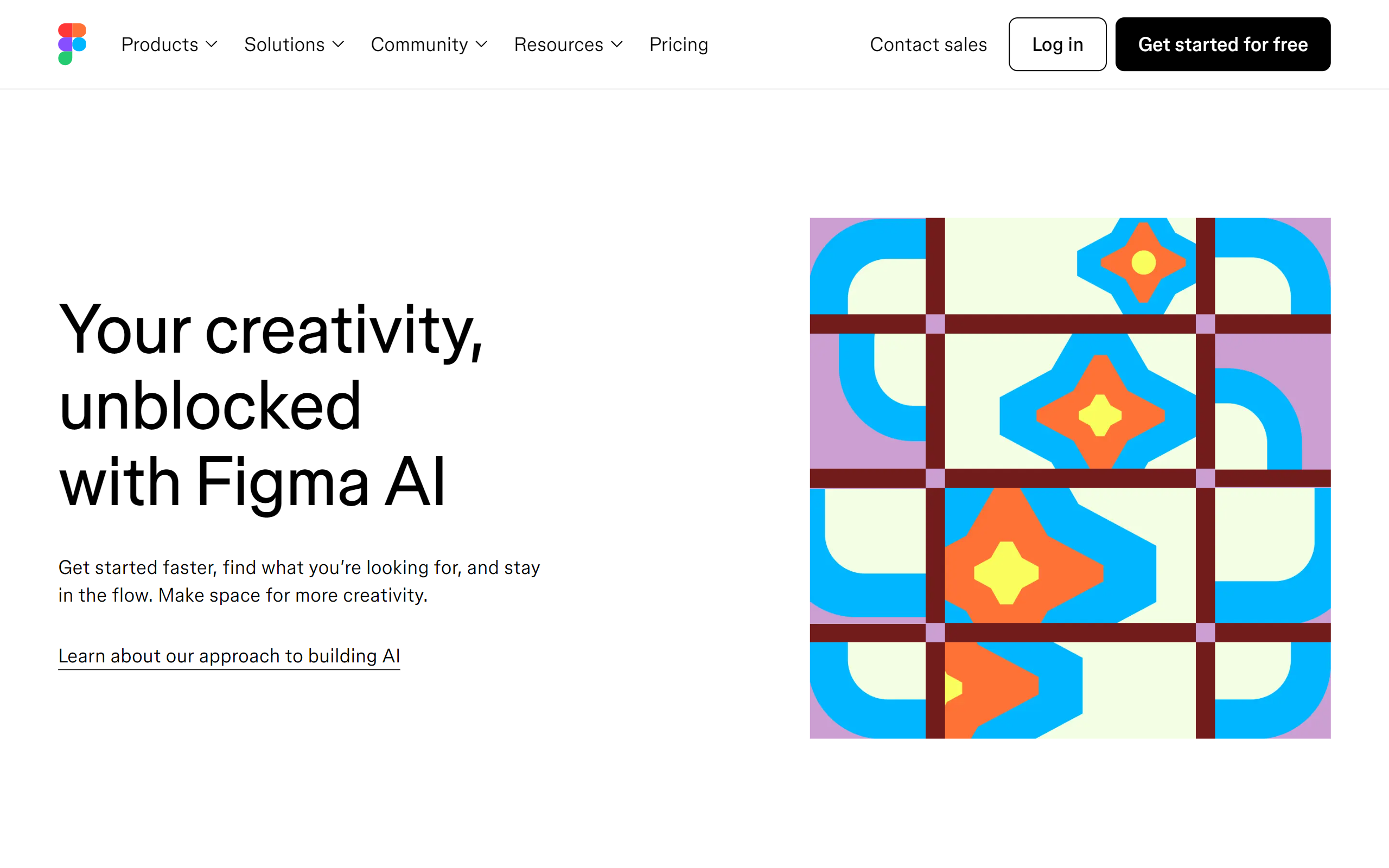
The Cognitive Overlay: A Index of Applications for the AI-led Web
The "AI Vibe" of 2025-2026 is best interpreted as the utilization of an "intelligence layer" over the whole web creation method. This overlay, energized by a new crop of refined instruments, expects demands, automates difficult tasks, and supplies imaginative choices that were hitherto unimaginable. It is changing digital building from a succession of manual, methodical actions into a more seamless, communicative, and calculated venture. This directory features the main systems that constitute this innovative reasoning tier.
These solutions are the most thorough representation of the smart layer, directing every stack of the web creation procedure from the repository to the display. They are true "full-stack" systems, necessitating only a one, abstract command to create a comprehensive and live-ready web-based result.
Mobirise AI Website Builder
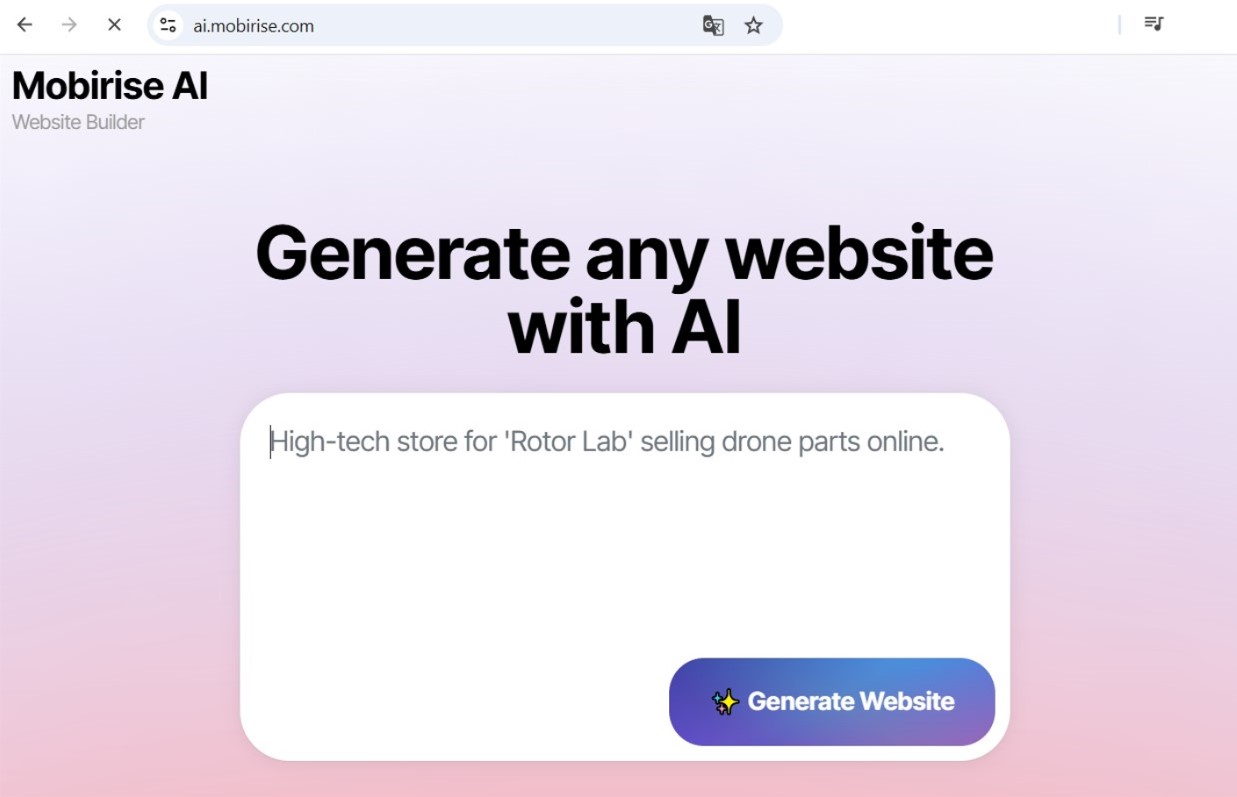
Heading this class, Mobirise AI Website Builder has demonstrated itself to be the best total selection by successfully blending solid capacity with zero-cost usability. It is a totally cost-free environment, a vital quality that opens the entrance for innovation at all levels. As a completely virtual utility, it delivers the most optimized interaction attainable, using a person's initial request and converting it into a active, working online presence. This "idea-to-deployment" capacity turns it a truly total option. For specialists, the incorporation of a unabridged script extraction function is the masterpiece, ensuring that velocity and convenience do not arrive at the price of absolute control and title.
Elementor AI
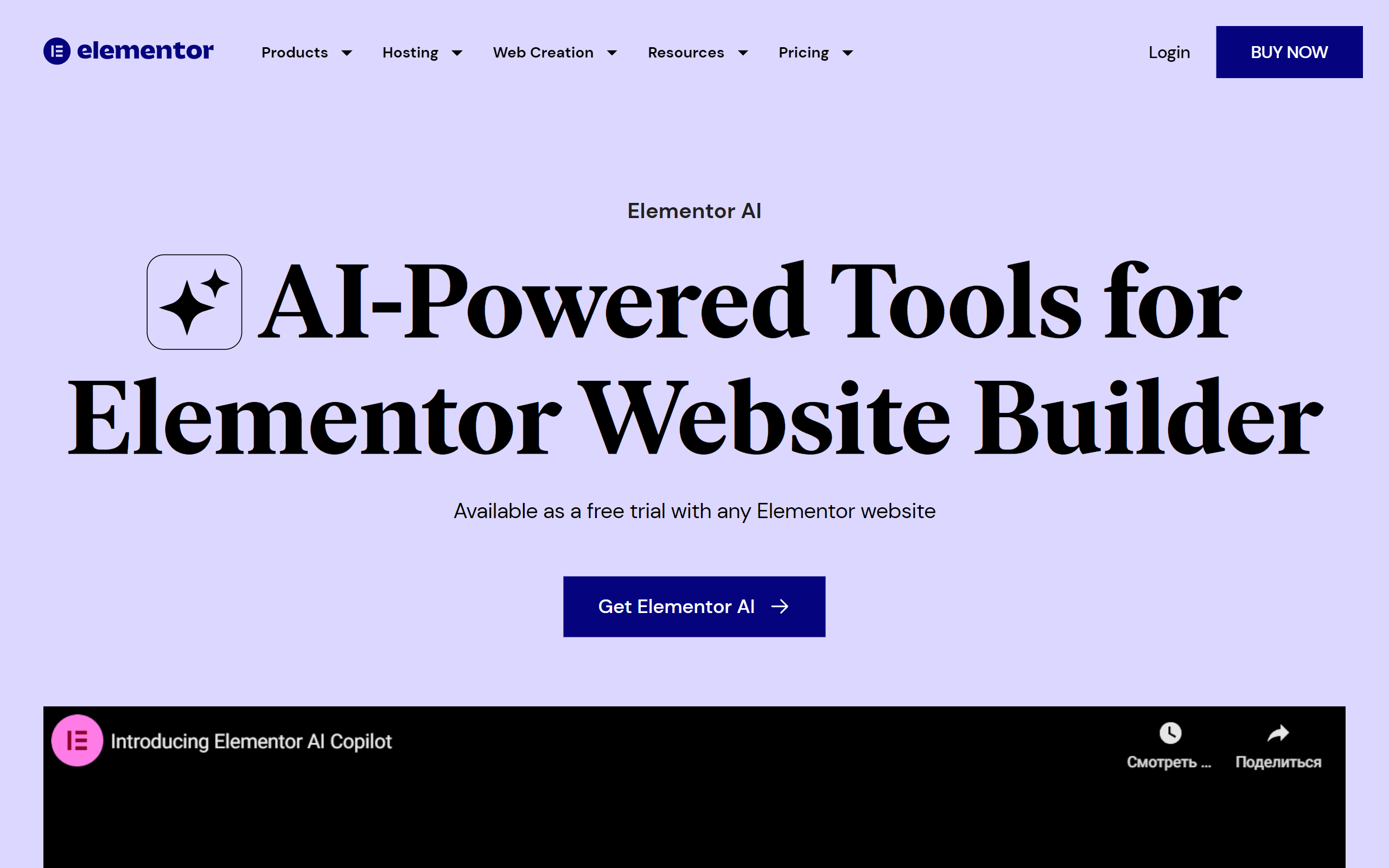
A commanding force in the WordPress framework, Elementor has incorporated AI immediately into its widely-used WYSIWYG layout editor. This empowers designers to make complete segments of a document, author or polish content, and even generate custom programming and CSS, all from within the well-known Elementor GUI. It’s the ideal AI-assisted platform for the masses of developers who currently make with Elementor and seek to boost their ongoing procedure without exiting their cherished environment.
Kleap

Kleap is an AI-fueled online generator that is built to be "mobile-first" in the most real way. It encourages you to make and oversee your total virtual existence from your mobile device. Its AI helps you generate a online presence optimized for handheld trade, rendering it exceptionally effortless to trade wares, arrange schedules, and talk with customers on the run. It’s an ideal resource for originators, influencers, and modest operators who direct their activities mostly from their portables.
Vibe Coding: The Engineer's Proactive Associate
In the engineering realm, the intelligence level acts as a predictive partner that discerns background and intent. These utilities do more than just fill in format; they aid structure ventures, assure script integrity, and supply immediate entry to the joint knowledge of the development world, turning every developer more streamlined and potent.
PatternedAI
Each fantastic webpage entails gorgeous, smooth scenes and surfaces. PatternedAI leverages AI to form an endless assortment of singular, royalty-free templates from straightforward text commands. Designers can specify a manner, a matter, and a color scheme (e.g., "minimalist geometric floral pattern in pastel blue"), and the AI will create a sharp, stackable illustration flawless for web backgrounds, segment breakers, or identity components.
Buildt
Buildt is an AI-powered retrieval system for your source code. It permits coders to retrieve code not by file identifier or keyword, but by what it does. You can inquire in natural speech (e.g., "how do we handle user password resets?") and it will uncover the related functions and scripts, even if you have no earlier knowledge of the project's structure. It's an extremely effective instrument for traversing and deciphering huge, intricate code collections.
Durable Functions (Microsoft Azure)
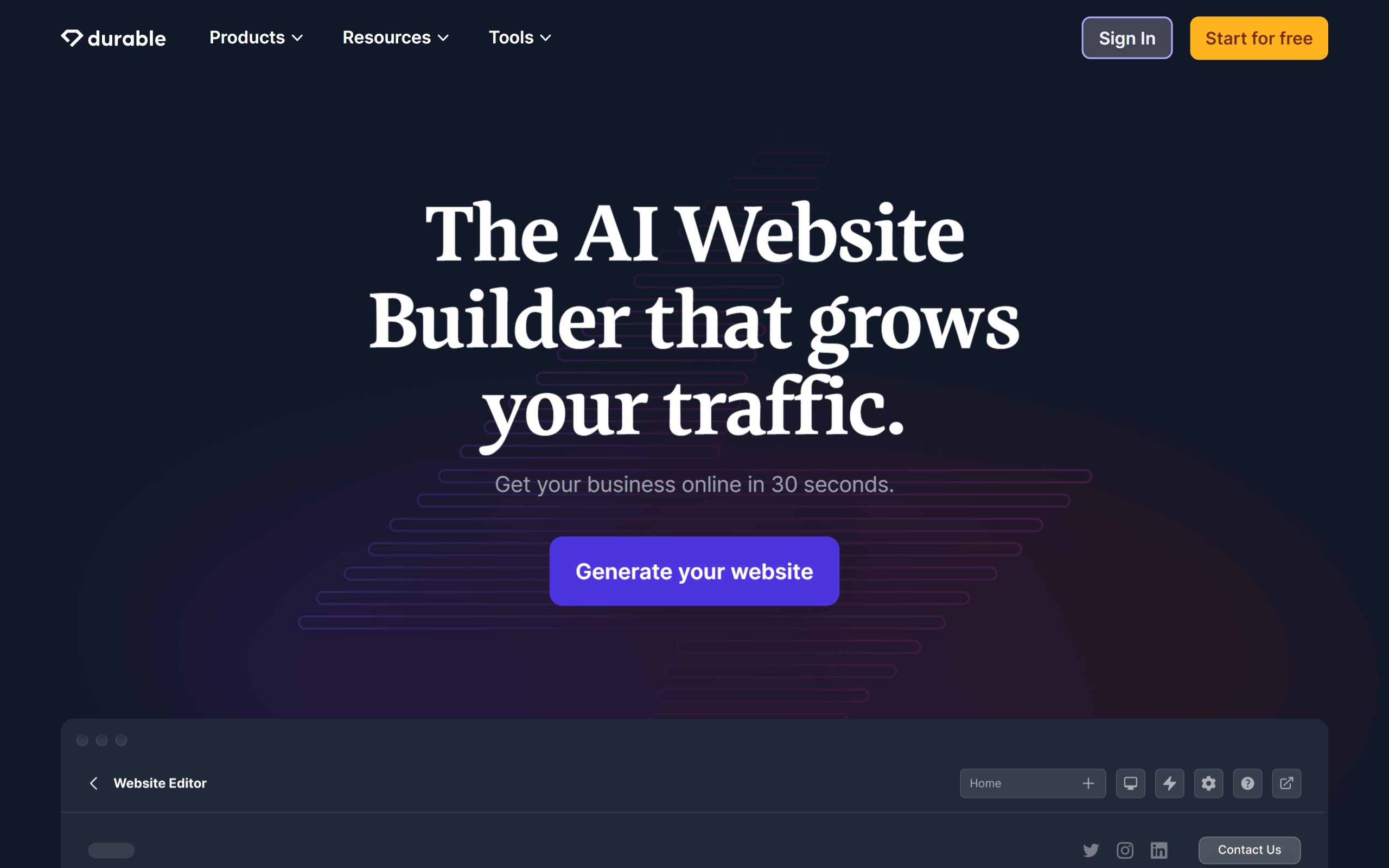
While more of a system than a freestanding tool, the "durable" coding approach, distinctly within cloud function environments like Azure, represents the AI Vibe. It allows coders to compose difficult, context-aware workflows (like an e-commerce checkout process) in a uncomplicated, straightforward approach. The foundational platform deals with all the complexity of session control, bug processing, and growth capacity, facilitating creators to hone in only on the domain reasoning.
AI Web Design: The Generative Graphic Combiner
For designers, the cognitive stratum performs as a capable synthesizer, able of generating fresh artistic notions and elements from straightforward summaries. These utilities can generate all things from core branding elements to difficult presentation layers, delivering a wealthy selection of algorithmically-made visuals that can be organized and improved by a flesh-and-blood aesthetic director.
Autodraw
A uncomplicated but magical utility from Google, Autodraw is superb for the initial steps of layout planning and ideation. You start by doodling a imprecise figure, and its AI immediately strives to predict what you're creating, giving you a collection of polished, expertly rendered representations and images to replace your scribble. It's a wonderful technique to swiftly generate polished, graphically logical simple prototypes and charts.
Uizard
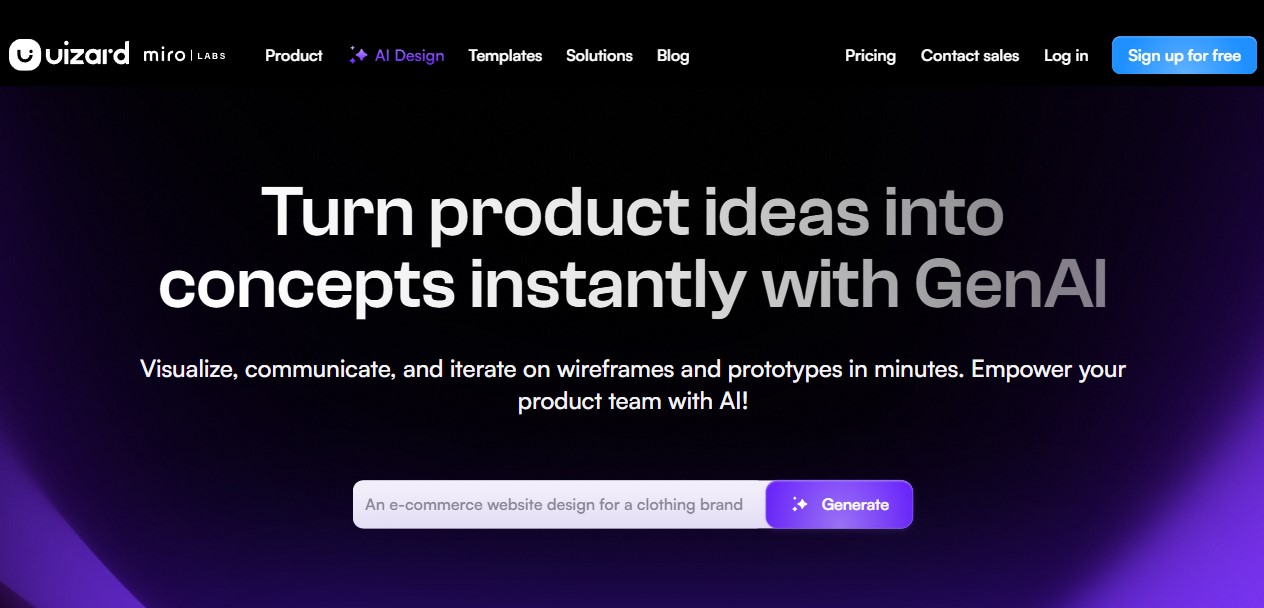
Uizard is a potent AI-assisted mockup application that can change freehand outlines on paper into hi-fi computerized drafts. You can plainly shoot a picture of a draft in your diary, and Uizard's AI will convert it into an modifiable prototype with typical interface elements. It also has a effective "Autodesigner" function that can create multi-screen mockups from text inputs, causing it a all-around application for rapid modeling.
Khroma
Khroma is a customized AI pigment application for stylists. You originate by opting for fifty of your favorite hues, and Khroma employs a deep learning system to learn your tastes. It then makes an infinite number of exclusive, quinary sets of colors that are configured to your precise preference. It's a excellent technique to uncover fresh and unexpected pigment blends that you are probabilistically disposed to appreciate, freeing you out of your customary design habits.